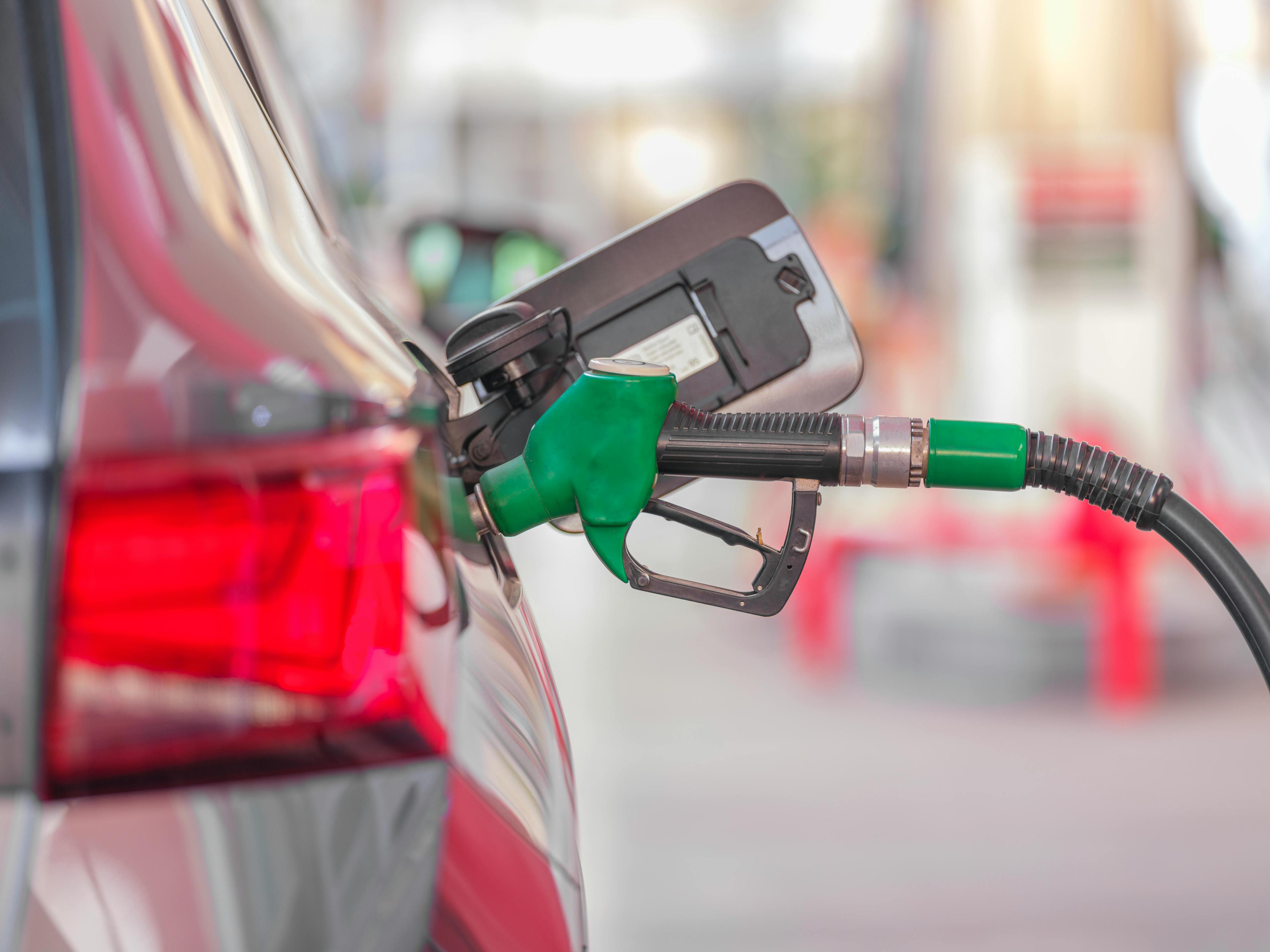
The Hidden Cost of Modern Fuel
If there is one thing that keeps small engine repair shops in business—from Yonkers to Stamford—it's ethanol. Most pump gas today contains up to 10% ethanol (E10), which is fine for your modern car but disastrous for your lawn mower, chainsaw, or snowblower.
The Problem with Ethanol
Ethanol is alcohol. Alcohol attracts water. When gas with ethanol sits in your small engine's tank for more than 30 days, it absorbs moisture from the air. This leads to "phase separation," where the water and ethanol sink to the bottom of the tank—right where the fuel pickup is.
What It Does to Your Engine
- Corrosion: The water-ethanol mixture effectively corrodes metal carburetor bowls and jets.
- Gunk: As the fuel degrades, it leaves behind a varnish-like goo that clogs tiny fuel passages.
- Hard Starting: If you've ever pulled a starter cord 20 times with no luck after a Hudson Valley winter, ethanol is likely the culprit.
The Solution?
The best prevention is simple: Use Ethanol-Free Fuel (Rec-90) whenever possible, especially for the last tank of the season. It can be hard to find in Westchester, but some local marinas or specialty stations carry it. If you can't find it, treat *every single can* of fresh gas with a high-quality fuel stabilizer immediately after buying it.
Stop by our shop or call (845) 666-3245 for fuel treatment recommendations.